

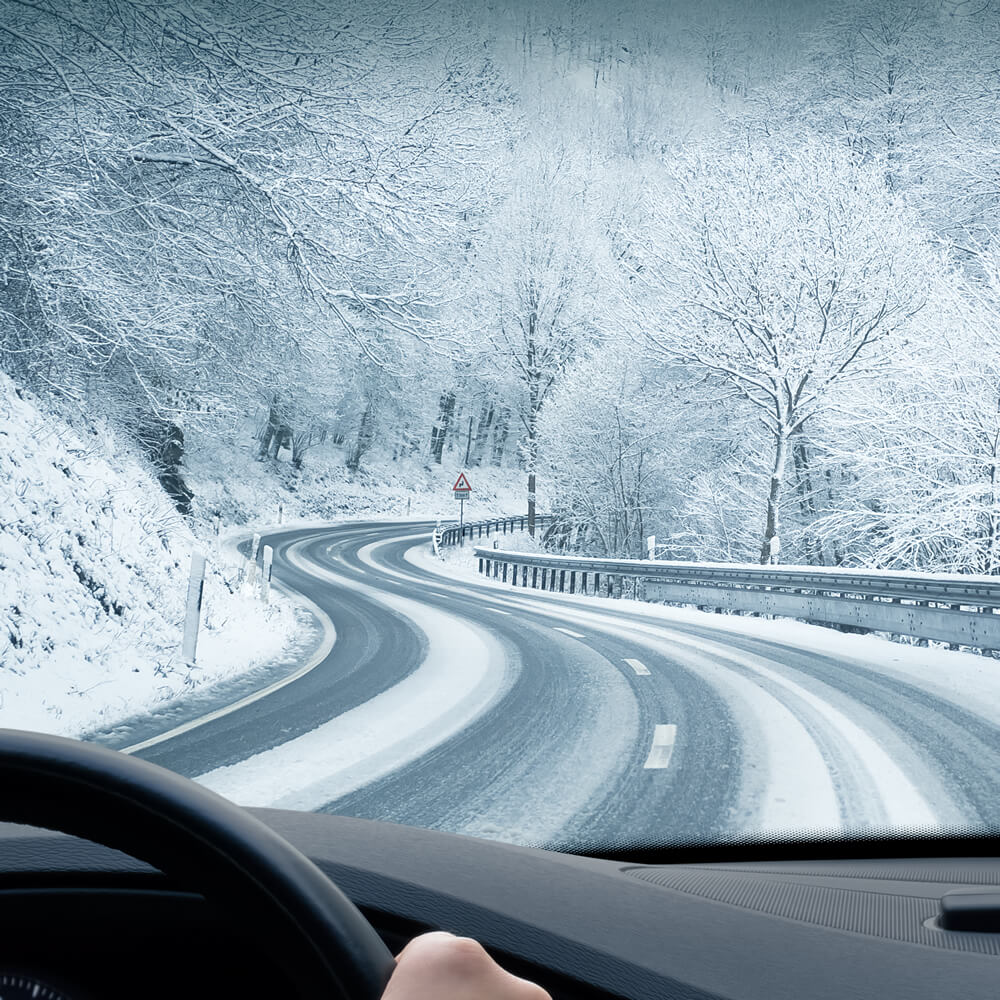
It’s the time of year when leaves fall from trees, temperatures begin to drop, and wintery weather brings snow and ice. This Holiday Season more than 115 million people are expected to travel more than 50 miles from home during Christmas and the New Year Holiday. To ensure that you and your vehicle are prepared for the unexpected, follow these tips to maintain the safety and performance of your car, truck, or SUV.
- Inspect your Brakes: The performance of your braking system is more critical with winter driving when compared to any other season. Make sure to have a professional inspect your pads and rotors for signs of excessive wear. Additionally, most of today’s manufacturers recommend having your brake fluid replaced every 2 years due to fluid degradation (a side effect of Oxidation).
- Inspect your Fluid Levels: Your vehicle uses many different fluids to reduce heat, lubricate moving parts, and to clean seals. This is why regular inspections of your fluids are critical to vehicle performance and safety. An example is your coolant. Its primary job is to transfer heat, protecting your engine from boiling or freezing. Remember to inspect your washer fluid for proper fluid levels to maintain visibility during winter storms and driving on roads treated with salts and other chemicals.
- Inspect your Battery: Have your battery inspected and tested for charging life. Over time corrosion can create problems with connections to your car’s battery resulting in poor performance and cold start problems. If signs of corrosion are present, have a professional clean your contact post and replace the terminal pads. Performing this service can extend the life of your battery.
- Inspect your Tires: Low tire tread or uneven wear can impact a vehicles fuel economy, braking distance, and can decrease steering ability in emergency situations. Have your tires inspected for wear patterns, tread depth, and proper tire pressure.
- Emergency Safety Kit: Perhaps the most important thing you can do is be prepared for the unexpected. All vehicles on the road today should have an emergency safety kit which includes the following:
a. Flashlight with extra batteries
b. First aid kit
c. Blanket
d. Jumper Cables
e. Non-perishable food and water
f. Orange safety signals and flares
Today’s vehicles use synthetic oil which results in fewer visits to the Dealer for oil changes and inspections. As a result, most of the cars on the road today are due for at least one maintenance service. Be sure to visit your local Dealer to monitor, restore, and maintain your vehicle’s safety and performance before you hit the roads, thus ensuring that you drive confidently into the cold with peace of mind.